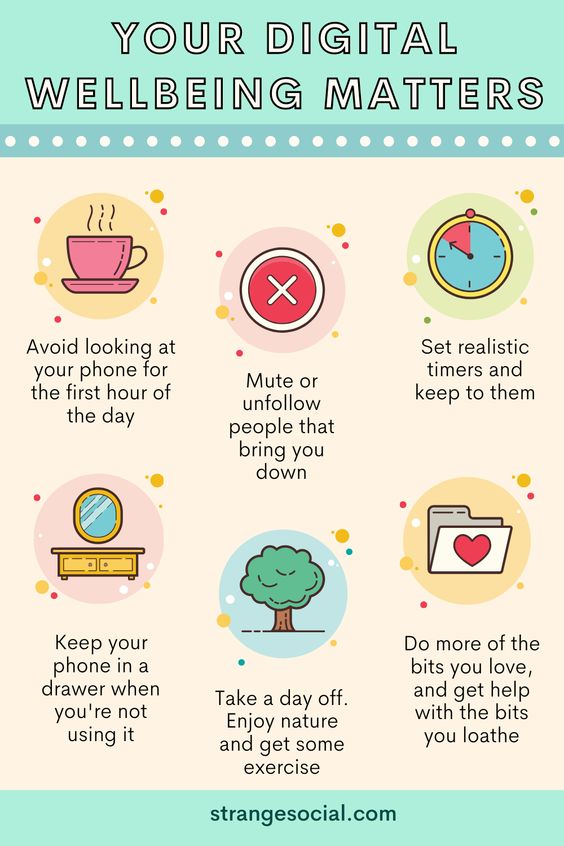
Your Digital Wellbeing Matters
In our increasingly digital world, maintaining digital wellbeing is crucial. It encompasses not just protecting our data but also ensuring our online habits promote a healthy balance in our lives. By staying aware of how much time we spend online, setting boundaries for screen time, and being mindful of our digital consumption, we can foster a healthier relationship with technology.
Taking proactive steps to secure our personal information and practicing digital mindfulness can greatly enhance our overall wellbeing. This includes using strong passwords, enabling two-factor authentication, and being cautious about the information we share online. Prioritizing digital wellbeing helps us stay connected, productive, and mentally healthy in the digital age.
Moreover, digital wellbeing is about making the best use of technology to improve our quality of life without allowing it to become overwhelming. Engage in digital detox activities, explore hobbies outside of the screen, and ensure your online interactions are positive and supportive. Balancing digital and real-world experiences is key to maintaining a healthy digital lifestyle.
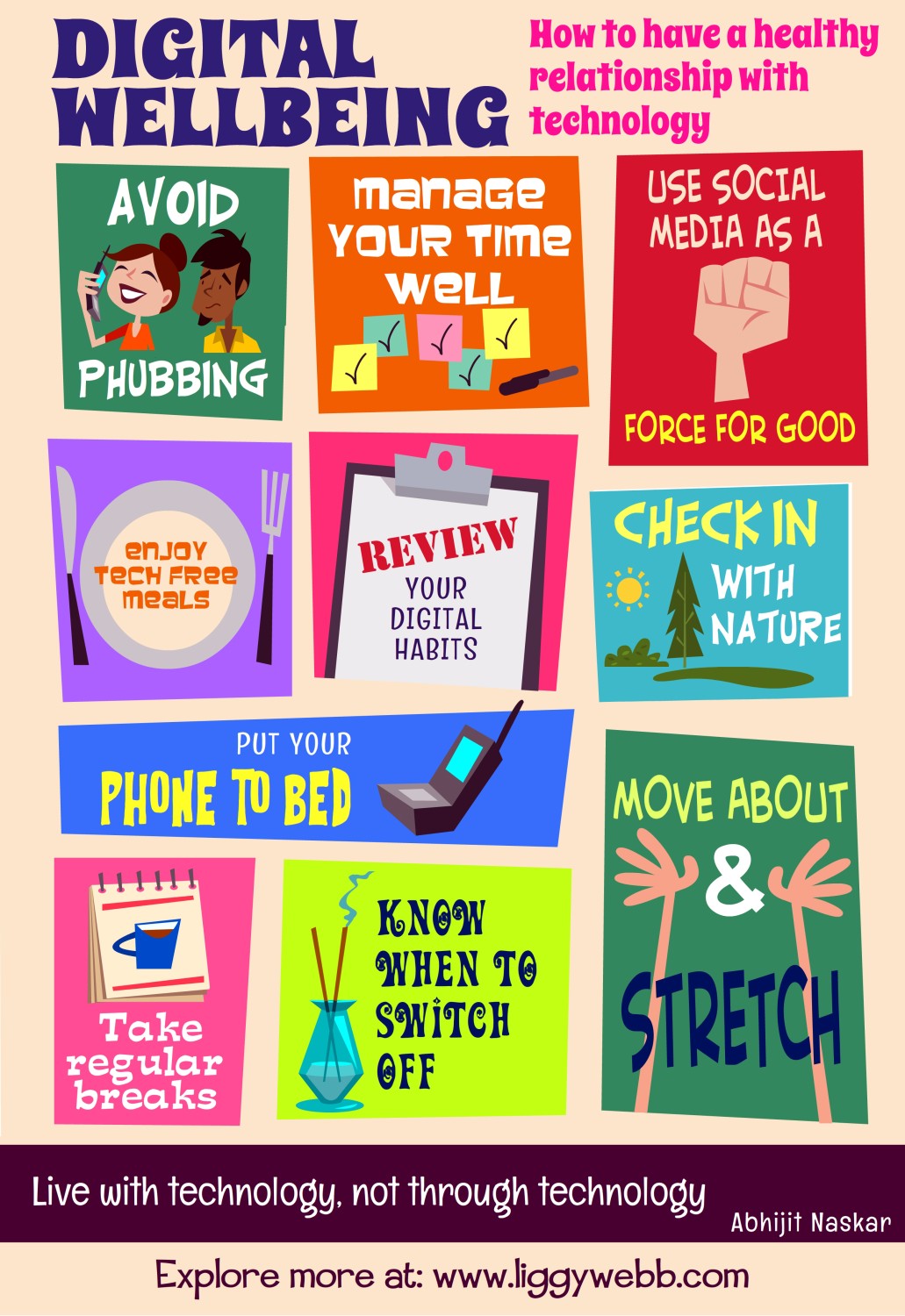
How to Have a Healthy Relationship with Technology
Building a healthy relationship with technology starts with mindfulness. Be aware of how and when you use digital devices. Setting boundaries for screen time and sticking to them can help maintain a balanced lifestyle.
Use technology as a tool for productivity and creativity rather than as a constant distraction. Engage in activities that promote physical and mental well-being, both online and offline.
Stay informed about digital security practices. Use strong passwords, enable two-factor authentication, and be cautious about sharing personal information online to protect your digital identity.
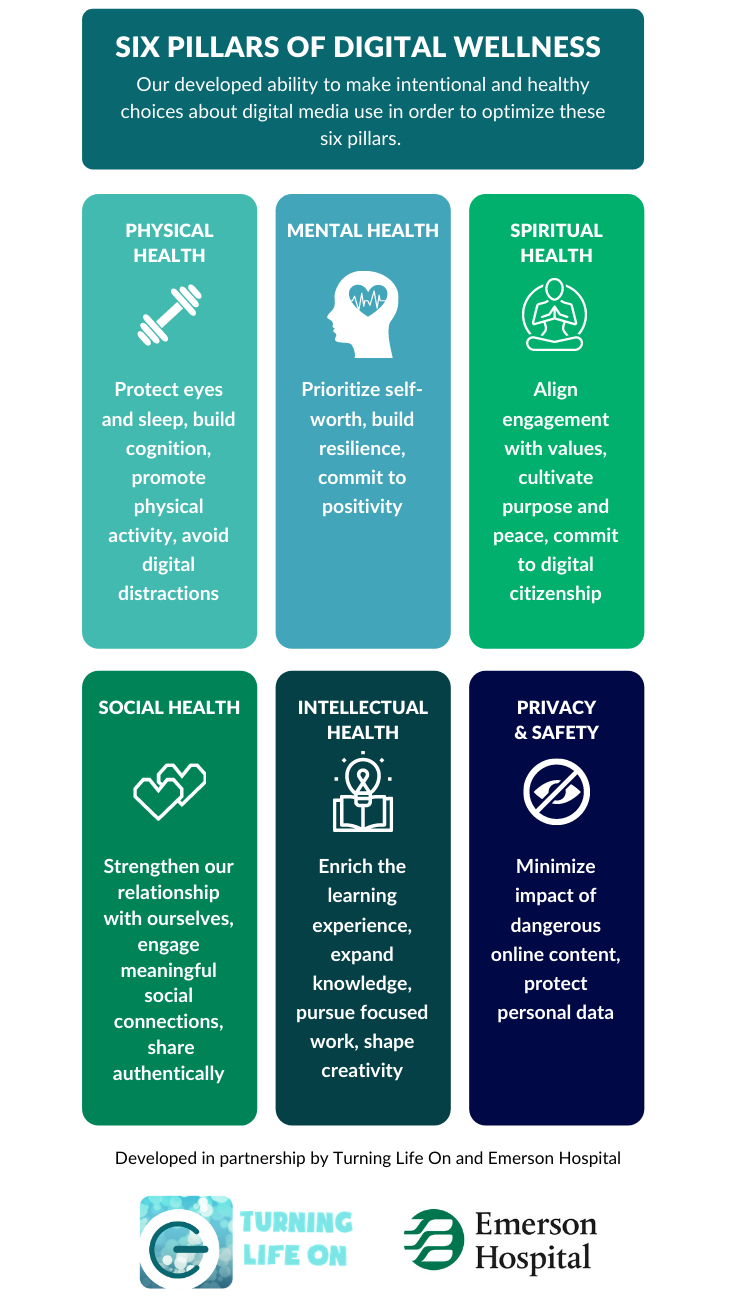
Six Pillars of Digital Wellness
Digital wellness encompasses various aspects of our online lives, aiming to promote a healthy balance between technology use and overall well-being. By focusing on these pillars, individuals can cultivate a mindful approach to digital interactions and harness the benefits of technology while mitigating its potential drawbacks.
1. Physical Health: Maintaining physical health in a digital age involves more than just avoiding digital strain. It's about cultivating healthy habits such as maintaining ergonomic posture, taking regular breaks, and incorporating physical activity into your routine. These practices not only prevent digital fatigue but also contribute to overall physical well-being.
2. Mental Health: Practicing mindfulness in your digital interactions is crucial. Manage digital stressors by setting boundaries, practicing digital detox, and engaging in activities that promote relaxation and mental clarity. Prioritizing mental health ensures a balanced and positive relationship with technology.
3. Spiritual Health: Technology can be a tool for enhancing spiritual practices. Whether through meditation apps, online spiritual communities, or digital resources for personal growth, integrating technology mindfully into your spiritual journey can enrich your inner life and foster deeper connections.
4. Social Health: Foster meaningful connections online while balancing face-to-face interactions. Use social media and digital platforms to maintain relationships, share experiences, and support others. Be mindful of the quality of your digital interactions to ensure they enhance rather than replace real-world connections.
5. Intellectual Health: Engage in digital activities that stimulate intellectual growth. Explore educational resources, participate in online courses, and use apps that challenge your mind. Balancing digital consumption with critical thinking and learning enriches your intellectual well-being.
6. Privacy and Safety: Safeguarding your digital identity and personal information is essential. Stay informed about privacy settings, use strong passwords, and be cautious about sharing sensitive data online. By prioritizing privacy and security, you protect yourself from digital threats and ensure a safer online experience.
By integrating these pillars into your digital habits, you can enhance overall well-being and maintain a healthy balance between technology use and other aspects of life. Embrace these practices to cultivate a mindful and purposeful approach to digital wellness.
References
- National Institute of Standards and Technology (NIST). (n.d.). Digital Identity Guidelines.
- World Economic Forum. (2020, September). Digital Identity: What Is It and Why Does It Matter?
- McKinsey & Company. (n.d.). Digital Identity.
- The Open University. (n.d.). Managing Your Digital Identity.
- NortonLifeLock. (n.d.). Internet Security & Privacy: Cleaning Up Your Digital Footprint.
- NortonLifeLock. (n.d.). Internet Security & Privacy: Tips for Protecting Your Digital Self.
- National Cyber Security Centre. (n.d.). Cyber Aware: Secure Your Devices.
- Federal Trade Commission. (n.d.). Protecting Your Privacy Online.
- Stay Safe Online. (n.d.). Online Safety Basics.
- Cybersecurity & Infrastructure Security Agency (CISA). (n.d.). Cybersecurity Tips.
- Strange Social. (n.d.). Your Digital Wellbeing Matters.
- Spiritual Earth. (n.d.). Digital Wellbeing.
- Emerson Hospital. (n.d.). Digital Wellness Program.